

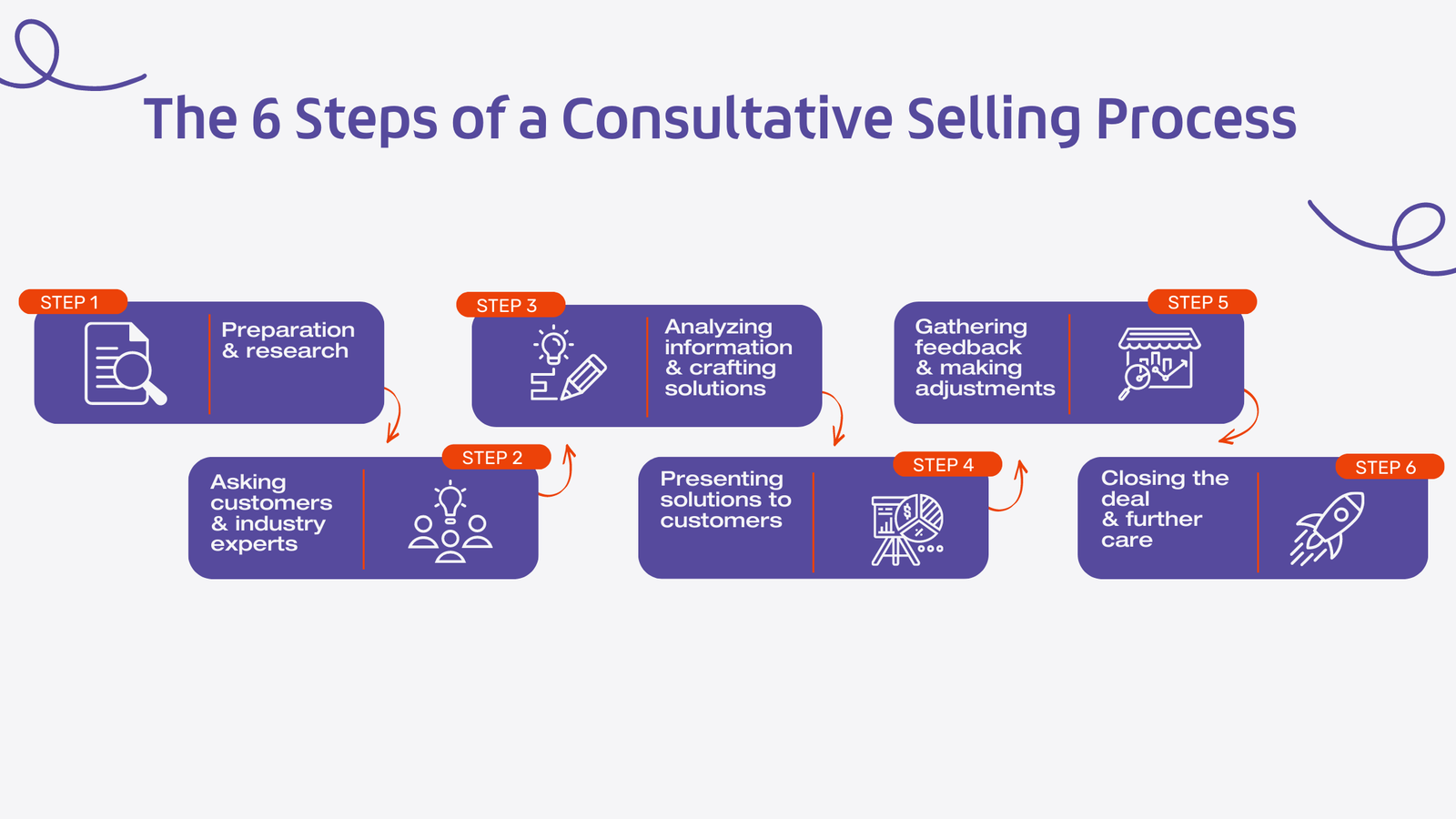
If you’ve been in B2B sales for a while, you’ve likely heard both terms used—sometimes even interchangeably. But here’s the truth: Consultative Selling and Solution Selling are not the same thing. Choosing the right approach can be the difference between closing a deal and losing an opportunity.
In today’s B2B landscape, buyers are more informed than ever. They’ve researched your competitors, read reviews, and formed opinions before you even make contact. The real question isn’t just what you’re selling — it’s how you’re selling it.
At Motivus Consulting, we work with sales teams across Singapore and globally to sharpen this distinction. Let’s break both approaches down clearly, compare them objectively, and determine what actually works in 2026—especially when focusing on sales cycle management, lead nurturing strategies, and long-term client relationship management?
What is Consultative Selling?
Consultative selling is built around one core principle: become a trusted advisor, not just a vendor.
Instead of leading with a pitch, you lead with questions. You explore the client’s world — their goals, pain points, operational challenges, decision structures, and growth ambitions — before presenting any solution.
Think of it like a doctor’s appointment. A skilled physician diagnoses before prescribing. Similarly, a consultative salesperson earns credibility through curiosity and insight.
“In consultative selling, the conversation itself delivers value.”
This approach is particularly powerful in complex B2B environments where:
- Multiple stakeholders influence decisions
- Sales cycles are long
- Trust is a prerequisite to purchase
- Strategic alignment matters more than price
Consultative selling strengthens client relationship management because it is rooted in genuine understanding.
What is Solution Selling?
Solution Selling focuses on diagnosing a defined problem and positioning your offering as the direct answer.
Where consultative selling is relationship-first, solution selling is problem-first.
The approach is structured and process-driven:
- Identify a specific pain point
- Quantify its impact
- Present your solution as the fix
- Close the loop
This method is highly effective when:
- The buyer already recognizes the problem
- They are in active evaluation mode
- The need is urgent and measurable
Solution selling supports sales cycle management because it aligns well with defined buyer journey stages. However, it can feel transactional if not supported by relationship-building.
Key Differences at a Glance
Focus
- Consultative Selling: The buyer’s overall business context and long-term goals
- Solution Selling: A specific identified problem and the product that resolves it
Timing
- Consultative Selling: Effective at any stage, even before problem awareness
- Solution Selling: Most effective when pain is acknowledged
Relationship Depth
- Consultative Selling: Builds partnerships and repeat business
- Solution Selling: May become transactional over time
Sales Cycle
- Consultative Selling: Ideal for longer, complex B2B cycles
- Solution Selling: Faster with ready-to-buy prospects
So, Which One Wins?
Here’s the honest answer: Neither wins alone—but consultative selling wins the long game.
In 2026’s B2B environment, buyers are inundated with solution-driven pitches daily. What stands out is authentic curiosity and strategic insight.
Consultative selling isn’t just a technique — it’s a business development strategy that drives sustainable revenue growth by transforming clients into long-term partners.
That said, the highest-performing sales professionals blend both approaches:
- They build trust through consultative conversations
- They apply structured solution selling to address defined pain points
“The winning formula: Consult first. Solve second. Listen more than you speak.”
This hybrid approach strengthens negotiation skills in B2B contexts, improves close rates, and creates a compounding sales pipeline.
5 Ways to Build a Consultative Sales Mindset
1. Ask Before You Tell
Lead discovery calls with thoughtful questions about business goals — not product features.
2. Map the Full Decision Unit
In B2B, you’re rarely selling to one person. Identify influencers, budget holders, and blockers early.
3. Nurture Beyond the Deal
Effective lead nurturing strategies continue after the sale. Provide insights, industry updates, and proactive check-ins.
4. Use Data to Personalize
Modern sales conversion techniques leverage CRM analytics, behavioral tracking, and intent data to tailor conversations.
5. Invest in Continuous Development
Consultative skills and B2B negotiation expertise are learnable—and cumulative. Ongoing training delivers exponential returns.
Frequently Asked Questions
Q1. Can small B2B teams adopt consultative selling without a large budget?
Absolutely. Consultative selling is primarily a mindset shift. Start by training your team to prepare three client-focused questions before every meeting and to actively listen rather than pitch. Over time, structured workshops can reinforce the foundation.
Q2. How quickly can results be seen after adopting consultative selling?
Most teams notice qualitative improvements — stronger conversations and deeper engagement — within 4–8 weeks. Measurable revenue impact typically appears within one to two quarters, depending on sales cycle length and execution consistency.
Q3. Is solution selling still relevant today?
Yes. Solution selling remains highly effective when buyers are problem-aware and evaluating options. The key is not choosing one over the other but knowing when to apply each. High-performing B2B teams embed solution selling within a consultative framework to gain both structure and depth.
